
cliftonhaller
About cliftonhaller
Doctor’s Letter ’Ridiculous’, Says M Ravi
While not all individuals can afford to hire a lawyer, there are a number of free or low-cost services available. Today, there is a growing focus on creating courts that are not only functional but also inclusive.
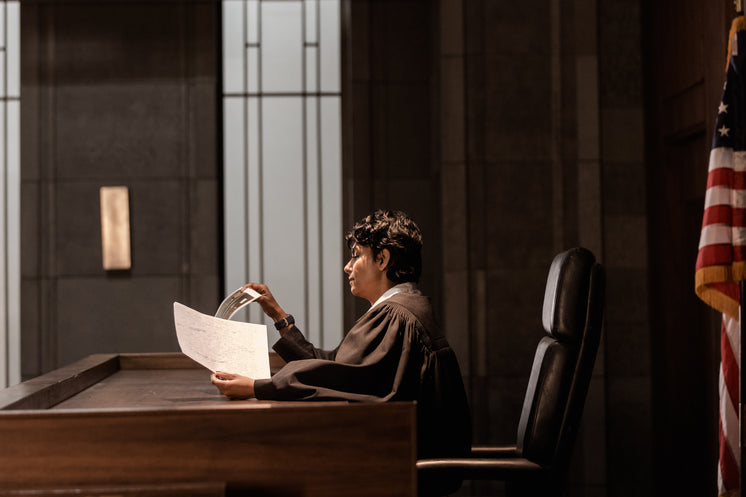 Interpreters are available for both written and spoken communication, allowing individuals to understand the details of their case and communicate effectively with their legal representatives.
 The need for accessibility is one of the primary concerns in modern court design, as courts must be open and usable for everyone, regardless of their physical ability or social background. These courts are not just places where legal disputes are resolved; they also provide essential support and assistance to individuals navigating the legal system.
These measures can include the use of video links for victims to testify from a safe location or the provision of additional time for testimony. From the historical grandeur of traditional court buildings to the modern, accessible, and technologically advanced designs of today, court architecture plays an important role in ensuring that justice is accessible, fair, and efficient.
However, modern court design has shifted away from this monumental style. Ultimately, the design of law courts in the UK is constantly evolving to meet the needs of a changing society.
These legal professionals can provide invaluable guidance to those who are unfamiliar with the law and need help understanding their rights and obligations. This has been particularly beneficial for people who may have difficulty traveling to court due to illness, disability, or financial constraints.
Whether handling criminal cases, civil disputes, family matters, or appeals, the duties of law courts are designed to uphold the rule of law, protect individual rights, and provide a fair and equitable system for all. For individuals with specific language needs, many UK courts offer translation and interpretation services to ensure that non-English speakers can participate fully in legal proceedings.
As technology continues to shape the legal landscape, it is likely that the design of law courts in the UK will continue to adapt, reflecting both the demands of the legal system and the expectations of the public.
Virtual hearings allow individuals to attend court remotely, either by video or by phone.
If you liked this article and you would like to be given more info with regards to advertising services nicely visit our own web-site. These courts have several key duties that are central to the proper functioning of the legal system. This article explores the main duties of law courts in the UK, including their responsibilities in case management, the delivery of justice, safeguarding human rights, and maintaining public confidence in the legal system.
For example, in cases involving domestic violence or child protection, special measures can be put in place to protect victims and ensure their safety.
The design of law courts in the UK is also influenced by the country’s legal traditions and cultural values.
From offering guidance to those who cannot afford legal representation to ensuring that vulnerable individuals are protected, UK law courts are an important part of the justice system.
As such, the design of these buildings often reflects these ideals, with courtrooms and court buildings serving as physical manifestations of the values that the justice system is meant to uphold. There’s additionally the worry that if homosexual marriage is accepted nationally, then so too, should transsexuals be accepted and if a person needs to dress as a girl in full makeup, wig, jewellery and lengthy nails, then anyone feeling that is inappropriate is accused of discrimination and if such a person needs to work with children and has no felony background, it will be in opposition to the law not to hire them… once more making many fear that such affect can be complicated to children.
This has led to the incorporation of inclusive design in many new court buildings.
In some cases, vulnerable witnesses may also have access to a support person who can help them through the process.
The UK’s courts have long been seen as symbols of justice, fairness, and the rule of law. Whether through the grand, imposing architecture of historic buildings or the modern, functional designs of contemporary courts, the physical space of the court is an essential part of the legal process.
While virtual hearings have proven to be effective in many situations, some individuals still find them challenging, particularly those who are not comfortable with technology or who lack access to reliable internet. legal services professionals’ contributions in assisting individuals with their cases should not be underestimated.
For example, many solicitors offer initial free guide consultations, and some charitable organizations provide pro bono services to help those in need.
The use of remote hearings has expanded significantly in recent years, especially due to the COVID-19 pandemic. This article will explore the various ways in which law courts in the UK help the public, including legal aid, court assistance services, and more.
No listing found.